2015-04-01
 367
367

Words and word combinations:
Furniture – мебель;
Essential – существенный;
Efficiency – эффективность;
Ensure – обеспечивать;
Large-scale – крупномасштабный;
Manufacturing – производство;
Sketches – наброски;
Cardboard – картон;
Foam – пена;
Aided – автоматизированного;
Print – печать;
Sales – продажи;
Retailer – розничный;
Purchase – купить.
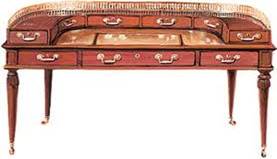 Furniture is essential to our every-day life. We use it at home, while we’re working and when we’re out shopping, at the cinema or travelling. Well-designed and researched furniture can improve our quality of life - when we like how it looks it gives us pleasure and when it makes us comfortable it can increase our efficiency and productivity. How furniture looks is important, and some of the most successful furniture designs of all time are often the most aesthetically pleasing, but the most successful furniture designs of all time look good and work well. By combining form and function in the design, and by ensuring products are made using responsible materials and ethical production techniques, furniture designers help create the pieces that collectively sell for £8.3billion each year according to the Furniture Industry Research Association (FIRA).
Furniture designers sometimes work on their own, some also make the furniture they design, and others work in teams as part of a large-scale manufacturing process.
Pieces of furniture often start off as sketches of designer’s ideas. 3D models are sometimes made, often by hand from cardboard, foam, wood or whatever the designers can lay their hands on, to show the piece’s look and shape. Computer aided design (CAD), which is used increasingly in contemporary furniture design to translate ideas into technical drawings, forms a big part of a furniture designer's training and it is now widely used to quickly create new pieces of furniture. Rapid prototyping machines use CAD information to print complex 3D shapes and furniture designers may use them to model detailed parts of their concept. Full scale prototypes are commissioned to enable the functionality of a piece and its materials to be tested before a concept can be taken and manufactured at scale.
Larger furniture design and manufacturing companies will employ staff to focus on marketing and selling new pieces or collections of furniture. Furniture designers who work on their own may need to engage in a degree of self-promotion in order to get themselves and their designs noticed, and therefore generate sales and profit.
Whatever the size of the design practice, furniture creators will have to work with retailers, to sell their furniture. Domestic furniture is most often sold through retailers such as up-market specialist shops like Heal's or more democratic outlets like Ikea. Furniture bought for public or commercial use – for a shop, restaurant, office or school, for example – may be sold through a furniture dealer who specialises in supplying furniture in volume. There is also a growing trend for buying furniture online, and specialist sites help you shop for furniture but also visualise how your purchases will look in your home.