2015-08-13
 320
320

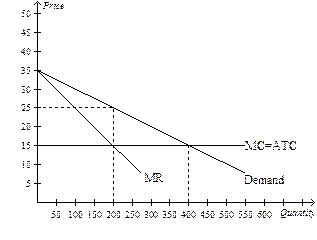
54. Refer to Figure 15-11. If the monopoly firm is not allowed to price discriminate, then consumer surplus amounts to
| a. | $0. |
| b. | $500. |
| c. | $1,000. |
| d. | $2,000. |
55. Refer to Figure 15-11. If the monopoly firm perfectly price discriminates, then consumer surplus amounts to
| a. | $0. |
| b. | $250. |
| c. | $500. |
| d. | $1,000. |
56. Refer to Figure 15-11. If the monopoly firm is not allowed to price discriminate, then the deadweight loss amounts to
| a. | $50. |
| b. | $100. |
| c. | $500. |
| d. | $1,000. |
57. Refer to Figure 15-11. If the monopoly firm perfectly price discriminates, then the deadweight loss amounts to
| a. | $0. |
| b. | $100. |
| c. | $200. |
| d. | $500. |
58. Refer to Figure 15-11. If there are no fixed costs of production, monopoly profit without price discrimination equals
| a. | $500. |
| b. | $1,000. |
| c. | $2,000. |
| d. | $4,000. |
59. Refer to Figure 15-11. If there are no fixed costs of production, monopoly profit with perfect price discrimination equals
| a. | $500. |
| b. | $1,000. |
| c. | $2,000. |
| d. | $4,000. |